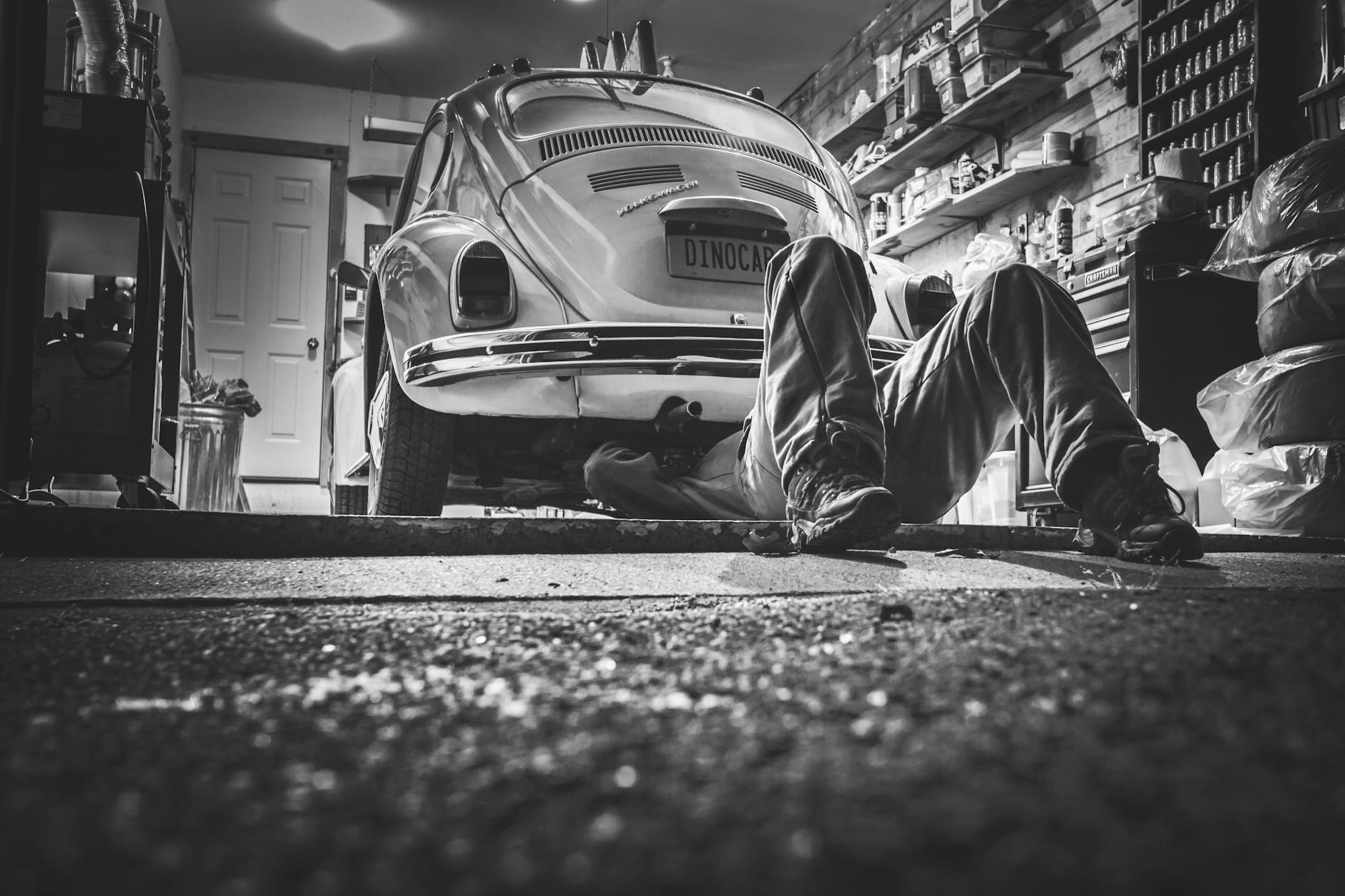
LABOR HOURS ARE THE BIGGEST LINE and they are estimated from published times per operation rather than invented. Two shops quoting the same job should be close on hours. If they are far apart, they are describing different work, and the question to ask is which operations one included that the other did not.
PARTS CHOICE MOVES THE NUMBER MORE THAN ANYTHING ELSE YOU CONTROL. Factory parts, aftermarket equivalents and used original parts all fit differently and price differently. Insurers often specify a category.
You are entitled to know which is on your estimate and to ask for a different one, understanding you may cover the difference.
REFINISHING IS NOT JUST THE DAMAGED PANEL. Paint has to blend into adjacent panels or the repair reads as a patch under sunlight, so the panel next to it appears on the estimate for a real reason. Blend time is legitimate work, not padding, and a quote missing it is a quote that will not match.
STRUCTURAL AND CALIBRATION WORK is the part people do not see coming. If the frame or unibody moved, it needs measuring and pulling on a bench, and that is specialized time. If cameras or radar were disturbed, they need recalibration afterward, which is required for the safety systems to aim correctly rather than optional.
SUPPLEMENTS ARE NORMAL, not a bait and switch. The first estimate is written from what is visible. Once the panel comes off and the damage behind it is exposed, a supplement covers the difference. A shop that promises no supplements before disassembly is guessing.
HOW TO COMPARE TWO ESTIMATES in five minutes: check the labor hours per operation, check which parts category each specifies, check whether blending adjacent panels is included, and check whether calibration appears. Almost every large gap is one of those four.
- Labor hours come from published times; a big gap means different work
- Parts category is the biggest lever you control, and you may ask to change it
- Blending into adjacent panels is real work, not padding
- Structural measuring and sensor calibration are specialized and required
- Supplements after disassembly are normal; no-surprise promises are guesses
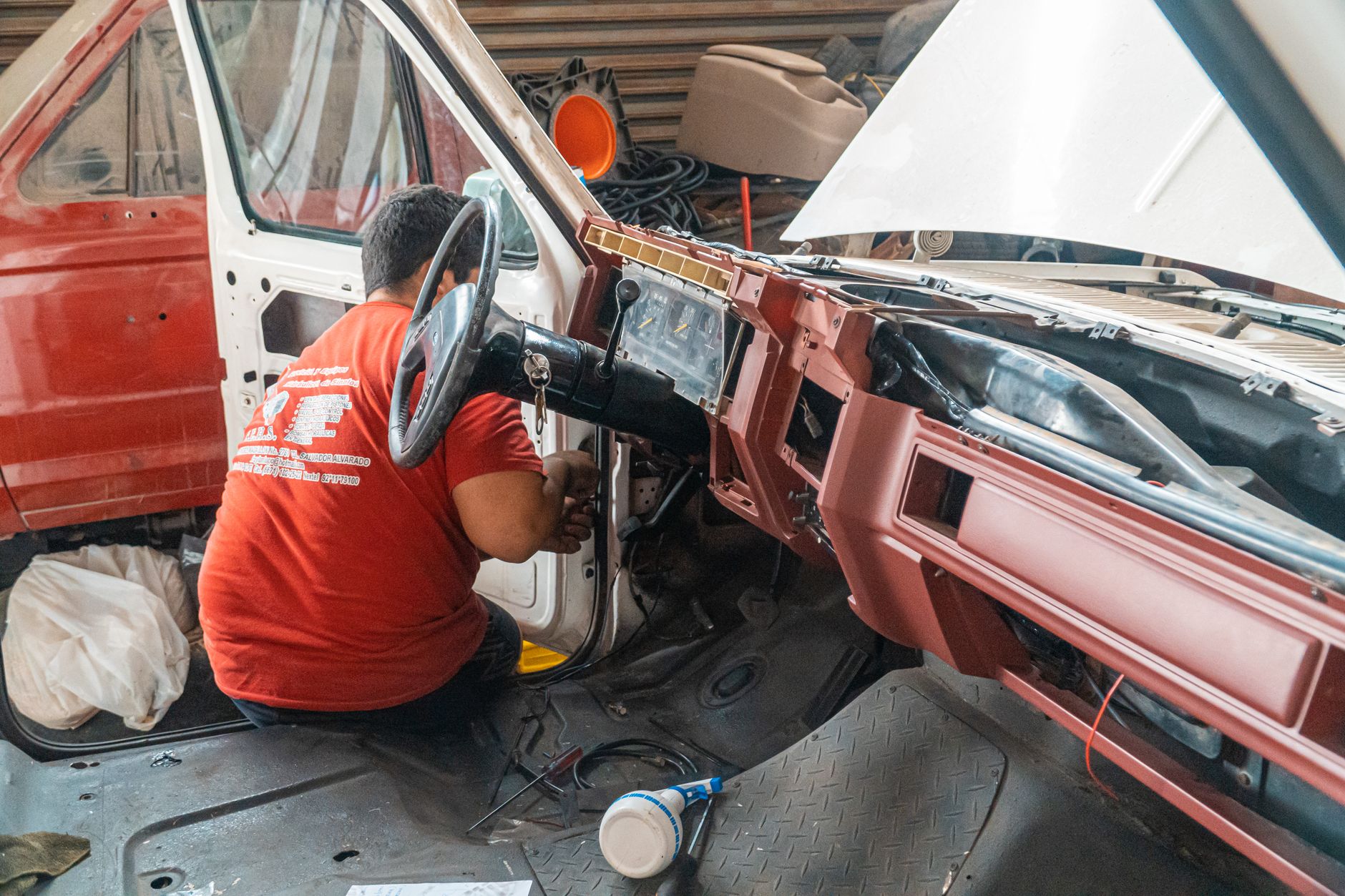
Questions people ask about What Drives Collision Repair Cost
Why are two collision estimates so different?
Almost always one of four things: labor hours per operation, which parts category is specified, whether blending into adjacent panels is included, and whether sensor calibration appears. Check those four and the gap usually explains itself.
Can I choose factory parts instead of aftermarket?
You can ask, and you are entitled to know which category is on your estimate. An insurer may specify a category, and choosing differently can mean covering the difference yourself.
Why does the estimate include panels that were not damaged?
Refinishing has to blend into the panels next to the repair or the work reads as a patch in sunlight. Blend time is legitimate, and an estimate without it is one whose color will not match.
The price went up after they started. Is that normal?
Yes. The first estimate is written from what is visible, and damage behind the panel is only exposed at disassembly. A supplement covers that difference, and a shop promising none before opening anything is guessing.
Claim it or pay out of pocket?, Three questions and the claim decision, using numbers you already know.
New to this? The plain-English guide to ordering walks through what to decide first.