
When it is more than a panel
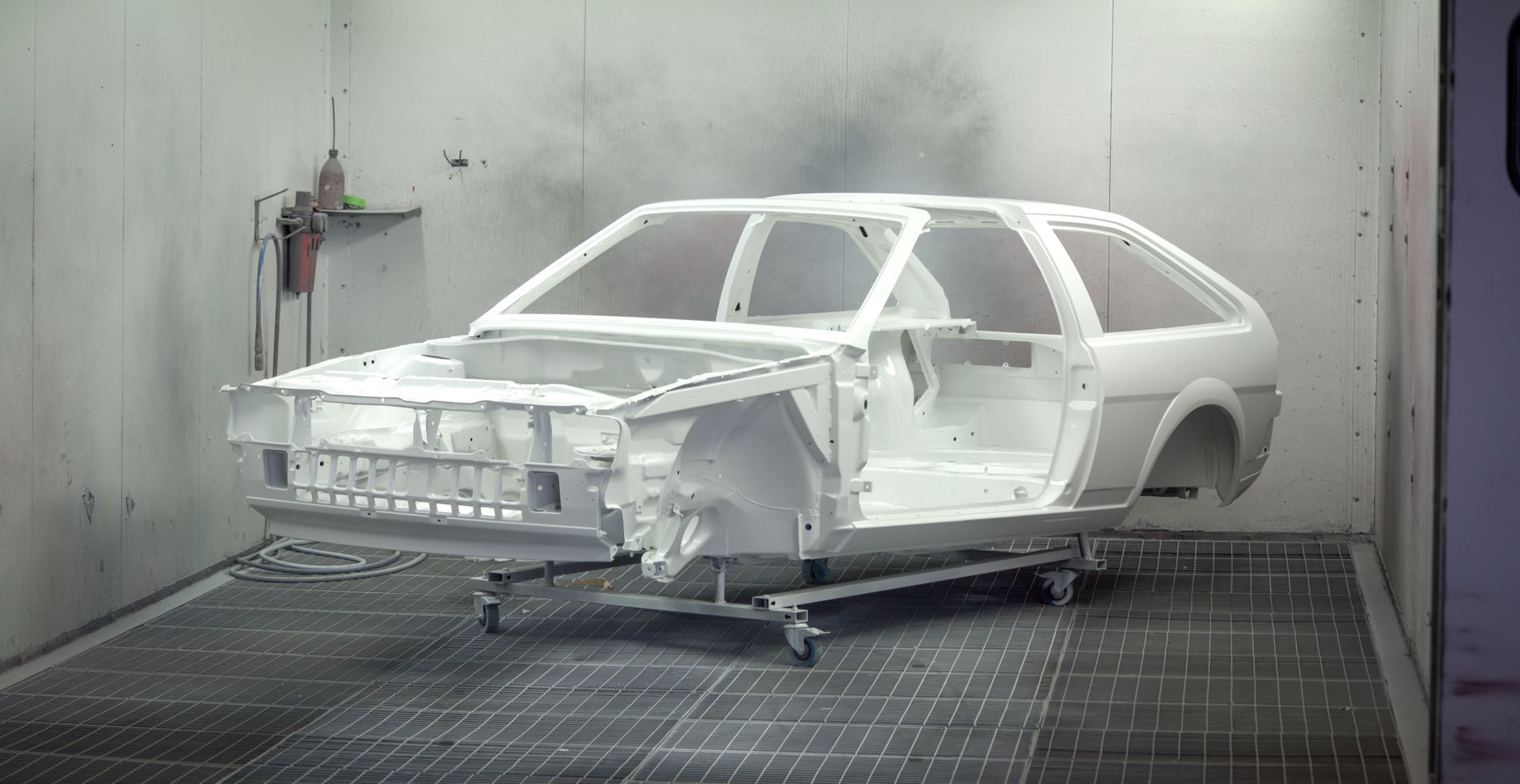
A significant collision can bend the underlying structure of the car, the frame or the unibody that everything else is built on, not just the visible panels. You cannot always see it from the outside, which is part of why a real estimate happens after the shop looks. When the structure is affected, the repair is a different level of job, because getting it back to how the car left the factory is what keeps it driving straight and protecting you in the next collision.
Why it has to be measured
Straightening structure is not an eyeball job. A proper shop measures the car against the factory specifications, pulls the structure back to those measurements, and verifies it, because a frame that is close but not right leads to a car that wears tires oddly, drives crooked, or does not crush the way it was engineered to in another wreck. When a shop talks about measuring and pulling to spec on structural work, that is the standard you want; a shop that would just straighten it by feel is not.
The one repair not to cut corners on
Cosmetic work done cheaply is just cosmetic. Structural work done cheaply is a safety problem, because the frame and the crush zones are what protect you and your passengers in a crash, and a car repaired wrong there may not perform when it counts. This is the part of collision repair where the cheapest bid is the one to be most careful about, and where choosing a shop that does structural work properly and stands behind it matters more than saving a little. It is worth getting right.
- A real hit can bend the structure under the panels
- Proper frame work is measured to factory specs, not eyeballed
- This is the repair where cutting corners is genuinely dangerous
Questions people ask about Frame and Structural Repair
Is a car ever right again after frame damage?
Repaired properly, measured and pulled to factory specification and verified, yes, it drives and protects the way it should. Repaired casually, it never quite is: tires wear odd, the steering wanders, and the structure will not behave as designed in the next crash. The difference is entirely in the shop you choose.
What does pulling a frame back to spec involve?
The car gets anchored to a bench, measured against the manufacturer's reference points, and pulled in controlled stages until the measurements match, then verified. It is machine work guided by data, not a guy with a chain and an opinion. Ask a shop how they measure; the answer tells you everything.
Should structural damage just total the car instead?
Sometimes, and the insurer's repair-cost math usually forces the question on its own. Where you have a say, weigh the repair quality available to you: a properly measured structural repair is a real car again, while a budget one is a compromise you drive daily. Choose the shop before you choose the answer.
Claim it or pay out of pocket?, Three questions and the claim decision, using numbers you already know.
New to this? The plain-English guide to ordering walks through what to decide first.